Illuminating accessibility through education.

Workshops, keynotes and classroom sessions that help people see disability through a new lens, and leave with practical ways to act. Led by Payton Ruth, who teaches from lived experience as a Deaf and hard of hearing professional.

Young students from different backgrounds study together in a university lecture hall, taking notes, reading and working on laptops.

Built for real-world impact, not passive compliance training.

Every session is shaped around who's in the room. Here's what each audience leaves with.

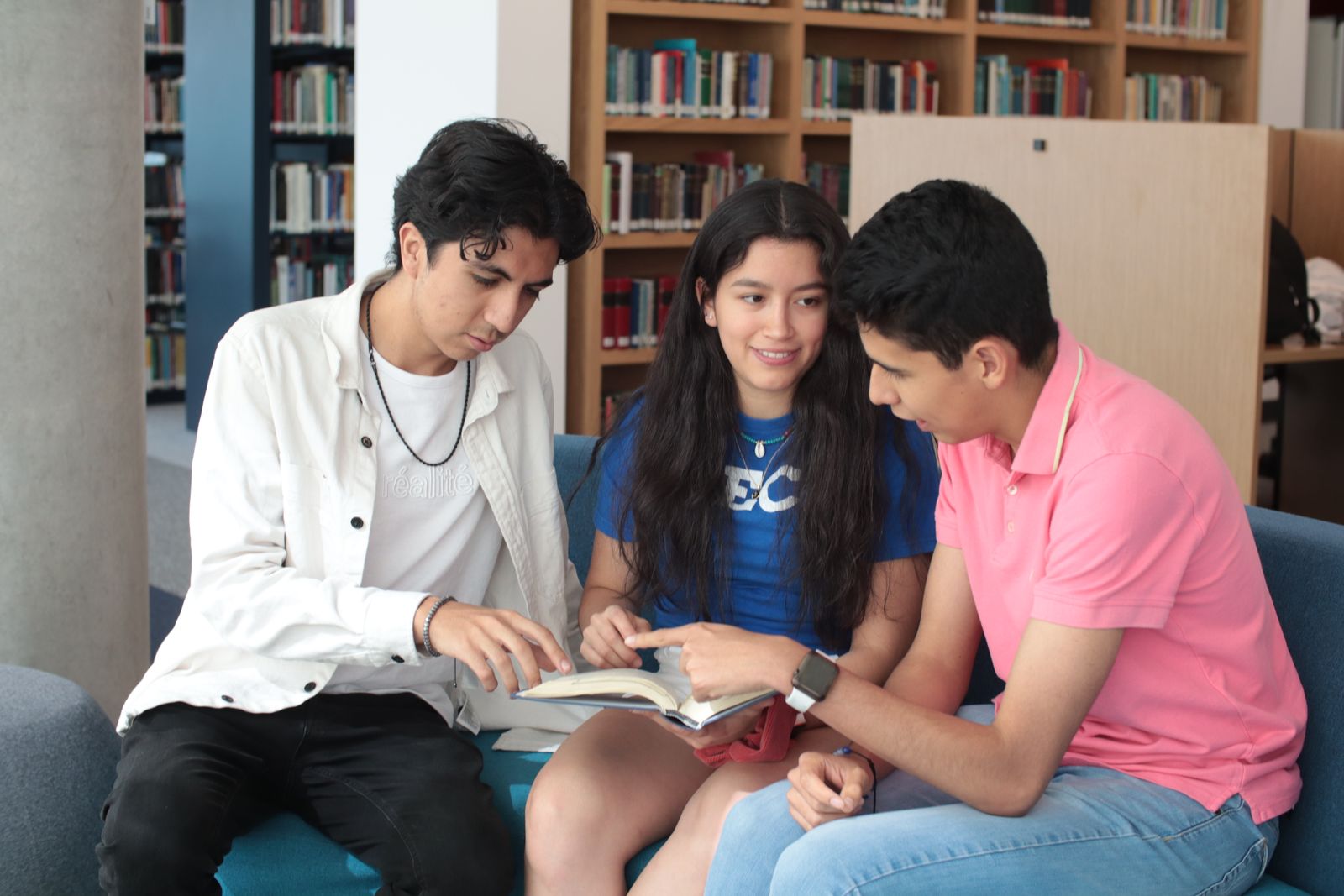
  • Three teenagers share a book on a bench in a school library.

    Students

    See accessibility as part of the world they'll build.

    They leave with

    • How barriers show up in school, work and everyday life
    • Respectful, confident language about disability
    • Self-advocacy for college, university and work

    Classroom talkWorkshop

  • A man using a wheelchair leads a staff workshop at a whiteboard while colleagues listen around a table.

    Organizations

    Turn good intentions into everyday practice.
    They leave with

    • How to spot barriers in your own spaces and services
    • A clear, respectful way to handle accommodation requests
    • A short action plan your team owns

    WorkshopSeries

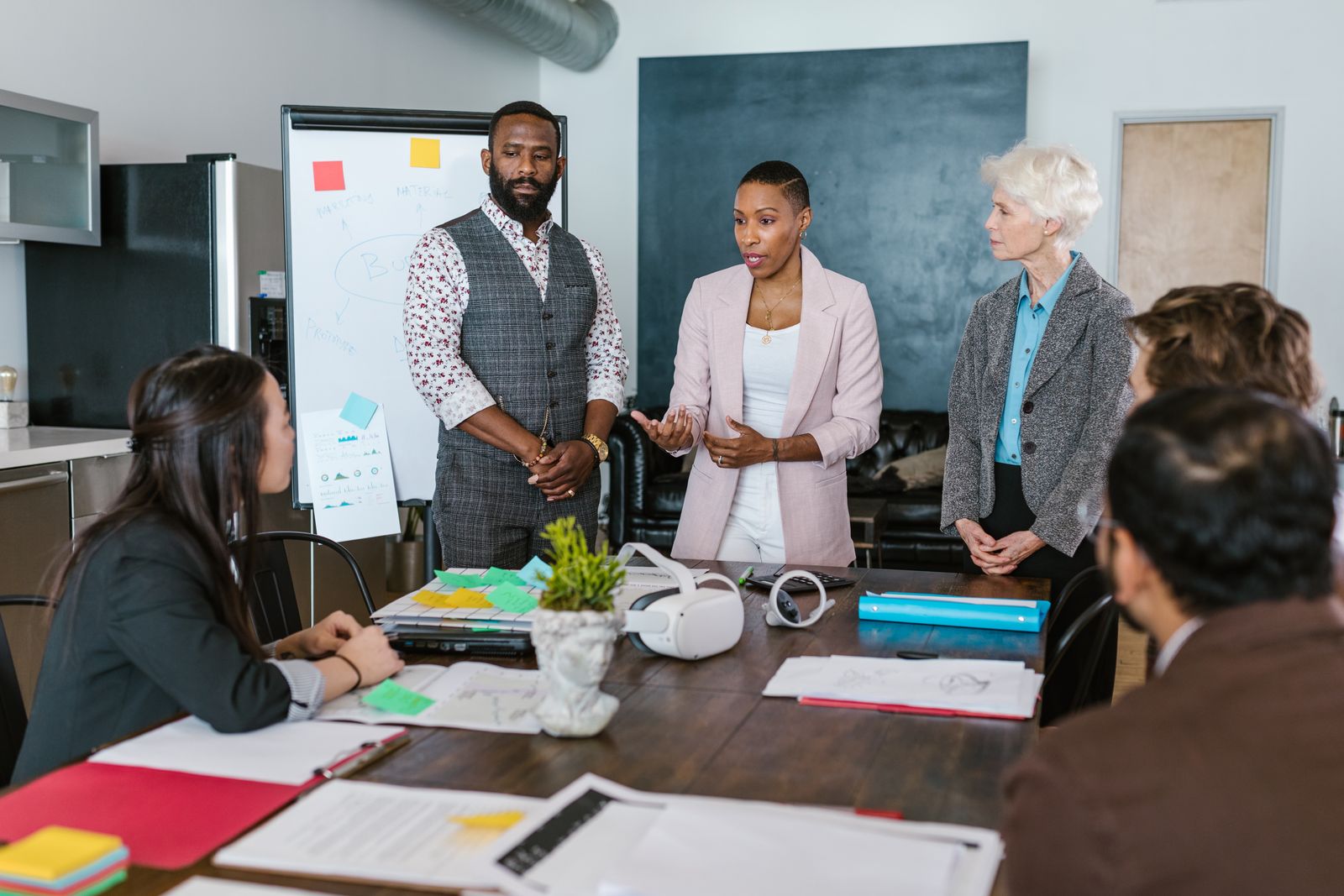
  • Three leaders stand at the head of a meeting table, talking with seated colleagues.

    Leaders & managers

    Lead accessibility, don't delegate it.
    They leave with

    • Accessibility built into decisions, budgets and hiring
    • Change management that brings people along
    • Measures that show real progress

    Leadership session

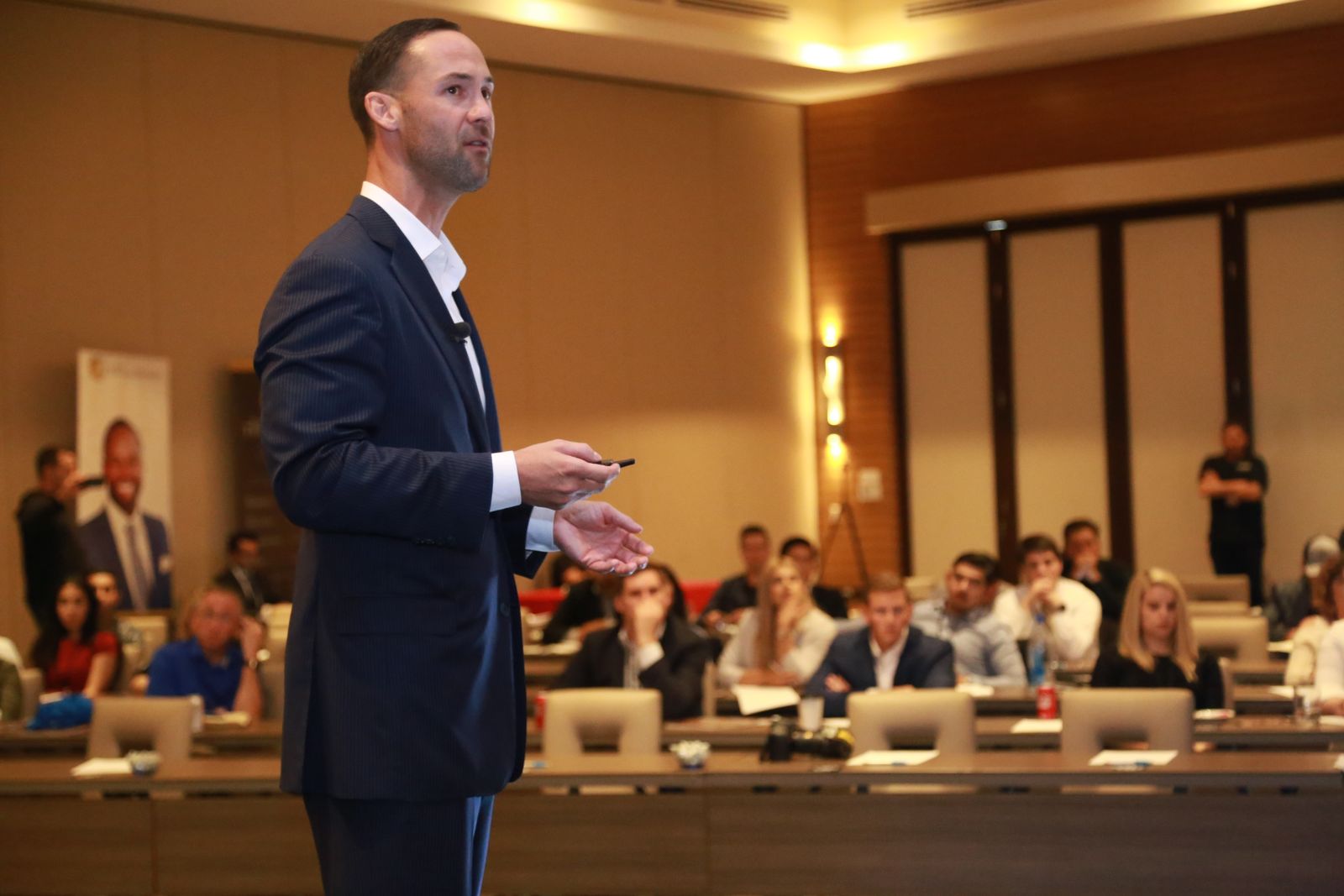
  • A speaker addresses an audience seated at tables in a wood-panelled hall.

    Conferences & events

    Keynotes that move a room to act.

    They leave with

    • Lived experience that reframes accessibility
    • Stories people remember and repeat
    • Practical ideas to use on Monday

    KeynotePanel

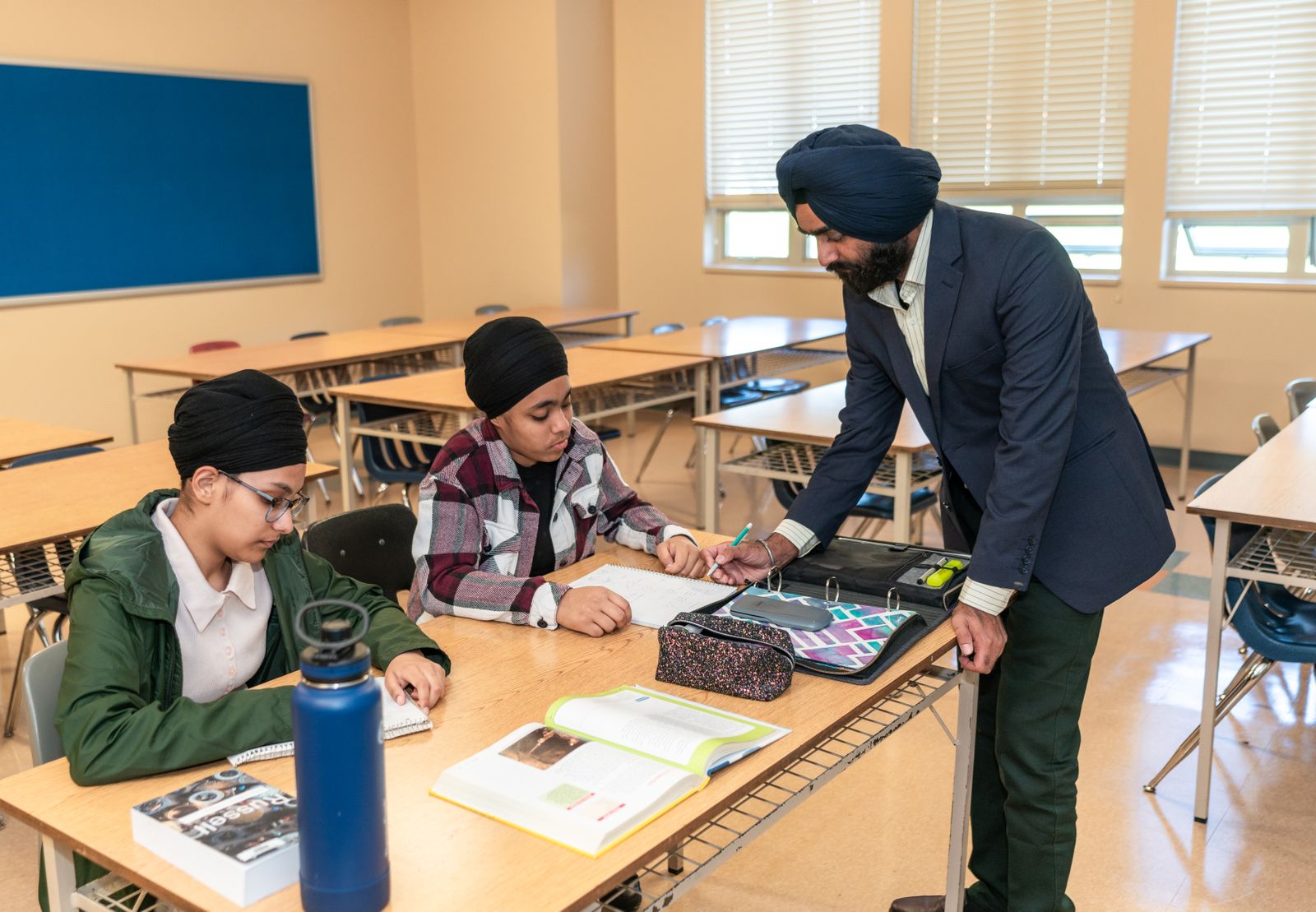
  • A teacher wearing a turban leans in to help two students at their desks.

    Educators

    Teach so every student can take part.
    They leave with

    • Universal Design for Learning, in practice
    • Accessible materials and classrooms
    • Support for students' self-advocacy and transitions

    WorkshopPD day

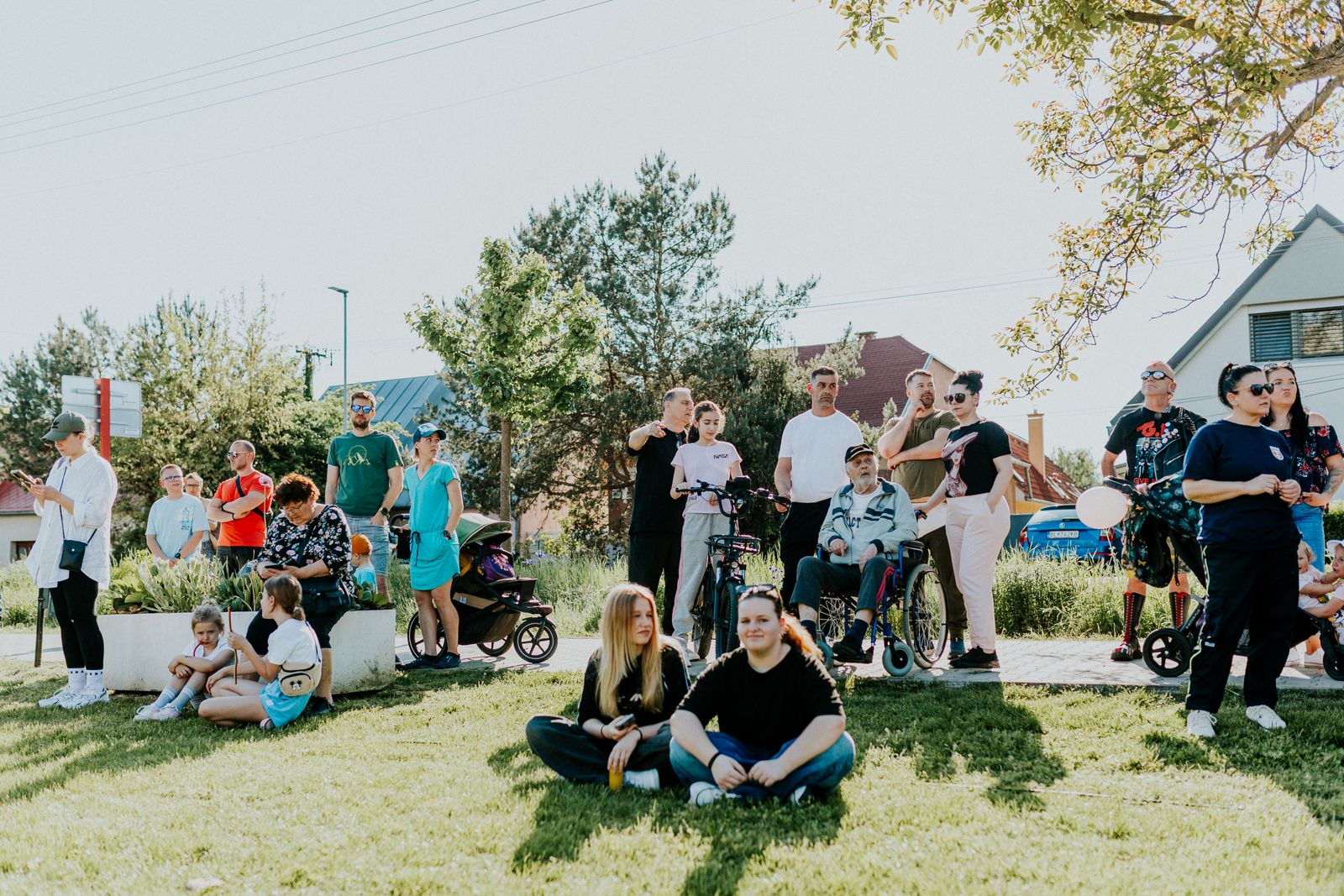
  • Neighbours of all ages, including an older man using a wheelchair, gather on a sunny lawn.

    Community groups

    Programs and events everyone can join.

    They leave with

    • How to welcome people with different needs
    • Accessible venues, invitations and communications
    • Volunteers who feel ready

    TalkDialogue

From awareness to action.

Each session moves people a step further. Scroll to watch a workshop unfold.

Awareness: a presenter introduces what accessibility is, and who it's for1Understanding: live captions, an ASL interpreter and a hands-on doorway mock-up2Confidence: small groups talk it through at round tables3Action: an action wall of sticky notes and a plan people take back to work4Change: the entrance gets a ramp, a power door and signage, and everyone leaves together5
  1. Step 1

    Awareness

    What accessibility is, and who it's for: everyone, at some point in their lives. We start with the barriers people meet every day, and why they so often go unnoticed.

  2. Step 2

    Understanding

    How everyday decisions about spaces, words, tools and policies create barriers, or remove them. People start to spot them in their own work.

  3. Step 3

    Confidence

    Ease talking about disability, using respectful language, and asking good questions without worrying about getting it wrong.

  4. Step 4

    Action

    Practical ideas people can use in their own work the next day, from a more accessible meeting invite to a better answer when someone asks for support.

  5. Step 5

    Change

    The motivation, tools and follow-up resources to keep going after the session ends, so new ideas become lasting habits.

Plan your session.

Choose who's in the room, up to three topics and a format. A draft agenda builds as you go, ready to send us.
Who's in the room?
What should it cover? 2 of 3 chosen

Understanding

Practice

Students & youth

Leadership

Format
Delivery

Draft agenda

Half-day workshop for staff teams

3 hours ยท In person

  1. 9:00Welcome and access check-in

    We'll tailor it with you on a free planning call.

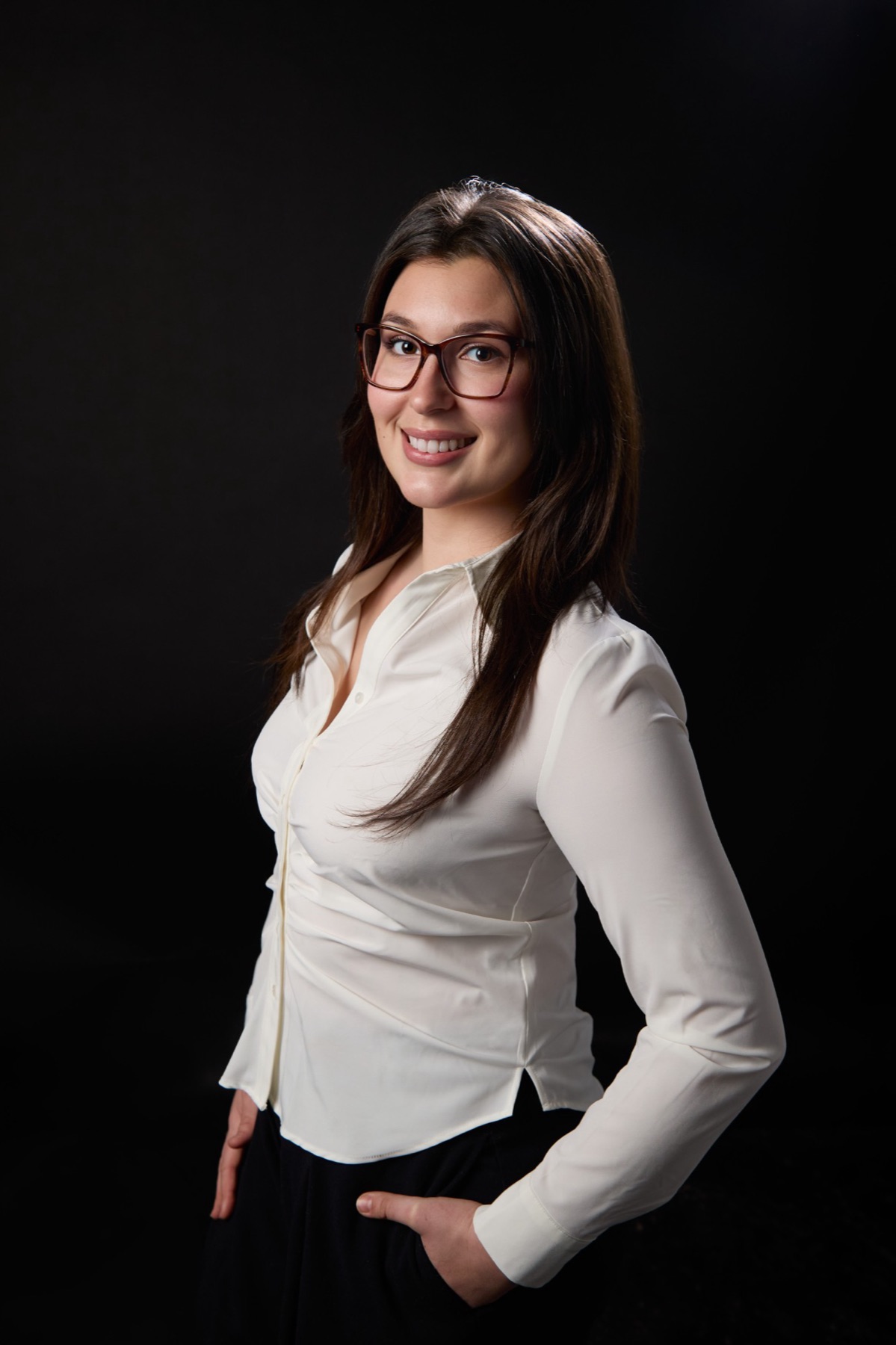
    Payton Ruth, PRISM's founder and lead facilitator.

    Education grounded in experience.

    Led by PRISM founder Payton Ruth, combining graduate study, RHFAC training, consulting practice, and lived experience.

    • A planning call with your team first
    • Examples from your sector
    • Live captions, and accessible materials sent in advance
    • Follow-up resources and next steps

    Every PRISM session is tailored to your team. Read Payton's story

    Invite Payton to speak.

    Keynotes, panels and facilitated conversations, told from lived experience and grounded in practice. Every talk is shaped around your audience and your event.

    • Keynote ยท 30โ€“60 min

      The world wasn't built for me. Let's change that.

      Payton lost her hearing at ten. Her story turns accessibility from a checklist into belonging, and shows what changes when people can ask for what they need.

      Best forConferences and all-staff events

    • Keynote or panel ยท 30โ€“90 min

      Beyond the minimum.

      Why a space can meet the code and still not work for the people using it, and how organizations close that gap without starting over.

      Best forLeaders, municipalities and building professionals

    • Student session ยท In class or virtual

      Speak up, show up.

      Self-advocacy for school, college, university and work: how to ask for what you need, and how to plan for the next step with confidence.

      Best forSecondary and post-secondary students

    For event organizers

    Formats
    Keynote, 30 to 60 minutes. Panel or dialogue, 45 to 90 minutes. Workshop, half or full day.
    Delivery
    In person or virtual, with live captions and accessible slides sent in advance.
    Every talk includes
    A planning call, examples from your sector, and time for questions.
    To book
    Send your date, audience and format. We reply within two business days.

    Short bio for your program

    Payton Ruth is an accessibility consultant, educator and the founder of PRISM Accessibility Consultants. Deaf and hard of hearing since a sports injury at age ten, she holds a Master's in Accessibility from Carleton University and is a Rick Hansen Foundation Accessibility Certification (RHFAC) Professional.
    Invite Payton to speak

    Before you book.

    Quick answers to what organizers usually ask first.

    How long are sessions?

    Keynotes run 30 to 60 minutes, panels 45 to 90 minutes, and workshops a half or full day. We also design multi-session series.

    Do you offer virtual sessions?

    Yes. Every format can be delivered in person or virtually, with live captions and accessible materials.

    Can you tailor a session to our sector?

    Yes. We start with a planning call and use examples from your sector and workplace.

    Can Payton speak at our event?

    Yes, for keynotes, panels and facilitated conversations, in person or virtually, with live captions. Tell us about your audience, date and format.

    Invite Payton to speak

    Let's illuminate accessibility together.

    Tell us about your audience, goals, and timeline, and we'll suggest a session that fits.